



You will not be allowed to compare more than 4 products at a time
View compareAyurvedic Fibroid Care
Ayurvedic Uterine Fibroid Treatment in Hyderabad: Evidence Based, Doctor-Led Care
Ayurvedic uterine fibroid treatment in Hyderabad at KSAC Hospitals follows an evidence based Ayurveda approach. This doctor-led treatment addresses uterine fibroids through classical Ayurvedic medicines, Panchakarma therapies, hormonal correction, and dietary guidance to reduce fibroid size, control bleeding, and preserve the uterus.
27+
Years Experience
5000+
Patients Treated
4.9★
Patient Rating

Evidence-Based
Doctor-Led Care
Doctor-Led Care
What Are Uterine Fibroids?
Uterine fibroids (also called leiomyomas or myomas, and Garbhashaya Granthi in Ayurveda) are non-cancerous growths of the uterine muscle. They are extremely common, affecting a large number of women during their reproductive years, though many remain asymptomatic. Fibroids range from the size of a seed to large masses that can distort the uterus.
Types of Uterine Fibroids
Fibroids are benign growths made of smooth muscle and connective tissue, classified by location:
- Intramural fibroids: grow within the muscular wall of the uterus. The most common type. May cause heavy bleeding and pelvic pressure when large.
- Submucosal fibroids: grow into the uterine cavity (inner lining). Even small submucosal fibroids can cause heavy bleeding and affect fertility.
- Subserosal fibroids: grow on the outer surface of the uterus. May cause pelvic pressure and pain but typically do not affect menstrual flow.
- Pedunculated fibroids: attached to the uterus by a stalk (peduncle). Can be either submucosal or subserosal. May cause acute pain if the stalk twists (torsion).
- Cervical fibroids: grow in the cervical region. Less common. May cause difficulty during delivery or cervical obstruction.
Fibroid Specialist in Hyderabad
3:45
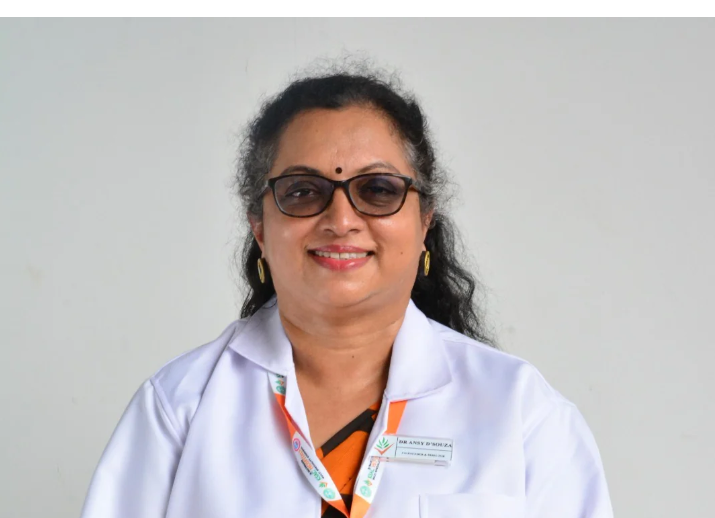
Dr. Ansy D'Souza — Senior Physician and Director
Uterine Fibroid Treatment
MBBS (Kuvempu University) | DFM (London)Expert Insight
"Uterine fibroids are among the most common gynaecological conditions we treat. Through personalised Ayurvedic assessment, classical medicines, and Panchakarma, we work to reduce fibroid size, control bleeding, and preserve the uterus — addressing the root cause rather than just the growth."
Dr. Ansy D'Souza
Senior Physician & Director
Ready to Consult Our Specialist?
Schedule a personalised consultation for fibroid assessment and treatment planning.
What Are the Signs of Uterine Fibroids?
Many fibroids cause no symptoms and are found during routine ultrasound. Consider seeing a fibroid specialist in Hyderabad if you experience:
- Heavy menstrual bleeding (menorrhagia) with large clots
- Prolonged periods lasting more than 7 days
- Pelvic pain, pressure, or heaviness
- Frequent urination or difficulty emptying the bladder (fibroid pressing on bladder)
- Constipation or bloating (fibroid pressing on bowel)
- Lower back pain or leg pain
- Pain during intercourse
- Abdominal enlargement or swelling
- Difficulty conceiving or recurrent miscarriage (especially submucosal fibroids)
- Anaemia-related symptoms: fatigue, dizziness, breathlessness (from chronic heavy bleeding)
What Causes Uterine Fibroids?
The exact cause of fibroids is not fully understood, but several factors contribute:
- Oestrogen dominance — fibroids are oestrogen-dependent growths that shrink after menopause when oestrogen declines
- Progesterone imbalance — progesterone also stimulates fibroid growth in some cases
- Genetic predisposition — fibroids run in families
- Insulin resistance and obesity — excess fat tissue produces oestrogen, fuelling fibroid growth
- Vitamin D deficiency — associated with increased fibroid risk in some studies
- Early menarche (first period before age 10) — longer lifetime oestrogen exposure
- Diet: high intake of red meat and processed food, low intake of vegetables and fruit
- Environmental oestrogens (xenoestrogens) from plastics and chemicals
What Is the Root Cause of Fibroids in Ayurveda?
In Ayurveda, uterine fibroids (Garbhashaya Granthi) are understood as a Kapha-dominant growth with Vata and Pitta involvement. Aggravated Kapha causes abnormal tissue accumulation (the fibroid mass itself). Aggravated Pitta creates the bleeding and inflammation. Disturbed Vata causes the pain and pressure symptoms.
The root cause is traced to Mandagni (weak digestive fire) producing Ama that accumulates in the Artava Vaha Srotas (reproductive channels), Meda Dhatu excess (fat tissue overproduction linked to oestrogen), and Kapha-Meda Sanga (channel blockage with tissue accumulation). Uterine fibroid ayurveda pathology links fibroid growth directly to metabolic stagnation and oestrogen dominance.
This is why ayurvedic uterine fibroid treatment in Hyderabad at KSAC Hospitals does not focus only on the fibroid mass. It addresses the metabolic stagnation, oestrogen dominance, and channel blockage that created and sustains the growth. This follows our evidence based Ayurveda in Hyderabad approach at KSAC Hospitals, an Ayurvedic hospital in Hyderabad.
How Ayurveda Offers Treatment for Uterine Fibroids
Uterine fibroid ayurveda treatment combines Kapha-Pitta pacifying medicines, anti-growth herbs, Panchakarma detox, and dietary correction to address the root cause of fibroid development. At KSAC Hospitals in Banjara Hills, Hyderabad, this ayurvedic uterine fibroid treatment in Hyderabad follows our evidence based Ayurveda in Hyderabad model and is part of our Ayurvedic gynaecology and obstetrics care.
If you are looking for ayurvedic fibroid care, KSAC Hospitals offers doctor-led, personalised care. Ayurvedic treatment for uterine fibroid at KSAC Hospitals focuses on reducing fibroid size, controlling heavy menstrual bleeding, managing pain, correcting the oestrogen dominance that drives fibroid growth, and preserving the uterus. Fibroid treatment without surgery ayurveda is the goal for suitable cases, and the approach at our Ayurvedic hospital in Hyderabad avoids hysterectomy where possible.
How Are Uterine Fibroids Treated in Ayurveda?
Ayurveda treatment in Hyderabad for fibroids centres on Kapha-Meda reduction, oestrogen modulation, bleeding control, Panchakarma detox, and lifestyle restructuring. At KSAC Hospitals, a fibroid specialist in Hyderabad assesses each case based on fibroid type, size, number, symptoms, and fertility goals.
Internal Medicines (Shamana Chikitsa)
Classical Ayurvedic formulations with documented anti-growth, oestrogen-modulating, and haemostatic properties are used. Commonly prescribed medicines include Kanchanar Guggulu (the primary formulation for Granthi/growths and Kapha accumulation), Ashoka (uterine tonic and bleeding control), Pushyanuga Churna (heavy bleeding management), Triphala Guggulu (metabolic correction and channel clearance), Chandraprabha Vati (urogenital support), Varuna (Crataeva nurvala, anti-growth and diuretic), and Lodhra (astringent, reduces bleeding). Ayurvedic fibroid care is chosen based on fibroid type, size, and symptom profile. Fibroid treatment without surgery ayurveda uses these formulations to address the growth from within.
Oestrogen Modulation and Metabolic Correction
Since fibroids are oestrogen-dependent, Ayurvedic treatment includes herbs and dietary strategies that support healthy oestrogen metabolism and clearance through the liver. Triphala, Guduchi, and cruciferous vegetables support oestrogen detoxification. Weight management reduces excess oestrogen production from fat tissue. Ayurvedic treatment for uterine fibroid addresses the hormonal driver.
Panchakarma Detox
Virechana (therapeutic purgation) clears excess Kapha-Pitta and metabolic waste. Basti (medicated enema) addresses Vata and supports pelvic circulation. Uttarabasti (intrauterine medication) may be used in selected cases for direct action on the uterine environment. Udwarthanam (herbal powder massage) supports weight management and Kapha reduction. This is part of the Ayurvedic Panchakarma therapies in Hyderabad offered at KSAC Hospitals.
Diet and Lifestyle Correction
An anti-Kapha, oestrogen-modulating diet is prescribed: emphasis on cruciferous vegetables (broccoli, cauliflower, cabbage), green leafy vegetables, flaxseeds, whole grains, and adequate fibre. Reducing dairy, sugar, red meat, processed food, alcohol, and caffeine is recommended. Regular exercise (at least 150 minutes per week), stress management, and weight control are essential. Uterine fibroid ayurveda dietary guidance is detailed and condition-specific.
Every treatment plan at KSAC Hospitals is decided after a consultation and assessment, so the Ayurveda treatment in Hyderabad you receive fits your specific fibroid profile rather than a generic protocol. Outcomes can vary, and treatment can be considered for suitable cases after assessment.
How Are Fibroids Diagnosed at KSAC Hospitals?
A fibroid specialist in Hyderabad begins with a thorough assessment:
- Detailed history of menstrual patterns, bleeding volume, pain, pelvic symptoms, and fertility goals
- Pulse diagnosis (Nadi Pariksha) to assess Kapha-Pitta-Vata imbalance
- Pelvic ultrasound (transabdominal and transvaginal) to confirm fibroid number, size, type, and location
- Blood tests: CBC (haemoglobin, iron), hormonal panel, thyroid, liver function
- MRI referral for complex cases or surgical planning
- Assessment of whether fibroids are causing symptoms or are incidental findings
Not all fibroids need treatment. Small, asymptomatic fibroids may only need monitoring. Treatment is indicated when fibroids cause symptoms or affect fertility. All consultations at KSAC Hospitals are private and comfortable.
How Long Does Ayurvedic Fibroid Treatment Take?
Fibroids respond gradually to treatment. KSAC Hospitals guides patients on:
- Bleeding control: many patients notice improvement within 1 to 2 cycles
- Fibroid size reduction: typically 3 to 6 months for measurable reduction on ultrasound
- Small fibroids: may resolve significantly within 3 to 4 months
- Large fibroids: may need 6 to 12 months of sustained treatment
- Monitoring: repeat ultrasound at 3-month intervals to track size changes
Follow-up visits with a fibroid specialist in Hyderabad to adjust treatment based on response. Ayurvedic fibroid care produces gradual reduction. The goal is sustained size control, bleeding management, and uterus preservation.
Can Fibroids Come Back After Treatment?
Fibroids can recur or grow if the oestrogen dominance and metabolic stagnation that caused them are not maintained. Surgical removal (myomectomy) carries a known risk of recurrence. The Ayurvedic approach at KSAC Hospitals aims to lower this by correcting the Kapha-Meda imbalance, modulating oestrogen, and equipping patients with long-term dietary and lifestyle tools.
Fibroids typically shrink naturally after menopause as oestrogen declines. For premenopausal women, sustained Ayurvedic treatment and lifestyle maintenance help keep fibroids controlled. Uterine fibroid ayurveda treatment builds metabolic health for long-term fibroid management.
Why Patients Choose KSAC Hospitals for Fibroid Care
As an Ayurvedic hospital in Hyderabad, KSAC Hospitals has practised classical Ayurveda for over 27 years. This evidence based Ayurveda in Hyderabad approach means patients with fibroids are assessed with both Ayurvedic and modern diagnostics (ultrasound, blood work, MRI where needed), and treated with a plan that controls symptoms, reduces fibroid size, and preserves the uterus. For women comparing where to go for ayurvedic uterine fibroid treatment in Hyderabad, this combination of uterus preservation, non-surgical management, and personalised care is what sets KSAC Hospitals apart.
Our gynaecology and obstetrics department works alongside fibroid care to provide comprehensive support. Every patient is treated by a qualified Ayurvedic doctor from our expert specialists team, not a generalist. The team also provides insurance and reimbursement support in Hyderabad where applicable.
Patient Success Stories

Patient A
Hyderabad"My fibroid has reduced significantly and the heavy bleeding has stopped. The doctors were thorough and supportive throughout."

Patient B
Secunderabad"I was told I needed surgery but decided to try Ayurveda first. Grateful for the personalised approach at KSAC."

Patient C
Bangalore"Finally found a treatment approach that addressed the root cause of my fibroids. The team at KSAC truly cares."
5000+
Patients Treated
27+
Years of Practice
4.9
Average Rating
319+
Google Reviews
Frequently Asked Questions
Can Ayurveda shrink uterine fibroids?
In many cases, Ayurvedic medicines with anti-Kapha and anti-growth properties can reduce fibroid size over 3 to 6 months. The degree of reduction depends on fibroid type, size, and the patient's response. Ayurvedic uterine fibroid treatment in Hyderabad at KSAC Hospitals tracks progress through repeat ultrasound.
Can I avoid hysterectomy with Ayurvedic treatment?
For many women with symptomatic fibroids, Ayurvedic treatment offers a uterus-preserving alternative. Fibroid treatment without surgery ayurveda at KSAC Hospitals is offered for suitable cases based on fibroid characteristics. Very large fibroids or those causing acute complications may still need surgical evaluation.
Do fibroids affect fertility?
Submucosal fibroids (growing into the uterine cavity) can affect implantation and increase miscarriage risk. Other fibroid types may affect fertility depending on size and location. Ayurvedic treatment for uterine fibroid at KSAC Hospitals integrates fertility goals into the management plan.
Do fibroids go away after menopause?
Fibroids typically shrink after menopause as oestrogen levels decline. For premenopausal women with symptomatic fibroids, active treatment is recommended rather than waiting for menopause. A fibroid specialist in Hyderabad at KSAC Hospitals advises based on age, symptoms, and goals.
What diet helps with fibroids?
An anti-oestrogen, anti-Kapha diet: cruciferous vegetables, green leafy vegetables, flaxseeds, whole grains, and adequate fibre. Reduce dairy, red meat, sugar, processed food, alcohol, and caffeine. Uterine fibroid ayurveda dietary guidance is detailed and personalised.
Are fibroids cancerous?
The vast majority of fibroids are benign (non-cancerous). Malignant transformation (leiomyosarcoma) is extremely rare. However, rapidly growing fibroids or fibroids with unusual features on ultrasound need careful evaluation. Ayurvedic fibroid care treatment is for confirmed benign fibroids.
Is fibroid treatment covered under insurance?
KSAC Hospitals supports insurance and government reimbursement where applicable. The team assists with coverage understanding and paperwork.
Ready to Begin Your Healing Journey?
Take the first step towards fibroid-free health.
- 27+ years with 5000+ patients
- Evidence based, doctor-led care
- Banjara Hills, Hyderabad
Call: +919866130743 / +918106245454
Latest Blogs
Evidence-based articles and expert commentary.

October 2026
Uterine Fibroid Treatment Through Ayurveda
Understanding the Ayurvedic approach to fibroid management...

October 2026
Ayurveda for Hormonal Imbalance
Understanding the Ayurvedic approach to hormonal health...

October 2026
Tackling PCOD Naturally Through Ayurvedic Gynaecology
The role of hormonal balance in managing PCOD...
KSAC Hospitals
6-3-252/1/3, Banjara Hills Main Road, adjacent Taj Deccan, Irram Manzil Colony, Banjara Hills, Hyderabad, Telangana 500034
Phone: +919866130743 · WhatsApp: +918106245454 · Email: info@ksachospitals.com
Medically reviewed by Dr. Ansy D'Souza (MBBS, DFM). Last updated: October 2026.
This page is for general information and is not a substitute for a personal medical consultation. Individual results vary.