



You will not be allowed to compare more than 4 products at a time
View compareAyurvedic Perianal Abscess Treatment Centre
Ayurvedic Perianal Abscess Treatment in Hyderabad: Doctor-Led Care
Ayurvedic perianal abscess treatment in Hyderabad at KSAC Hospitals follows an evidence based Ayurveda approach. This doctor-led treatment addresses both acute abscess management and prevention of recurrence through Ayurvedic medicines, Kshara Sutra (where fistula develops), and dietary correction.
27+
Years Experience
5000+
Patients Treated
4.9★
Patient Rating

Evidence-Based
Doctor-Led Care
Doctor-Led Care
How Ayurveda Offers Treatment for Perianal Abscess
Perianal abscess ayurveda treatment combines Ayurvedic medicines for infection management, Panchakarma detox, dietary correction, and where needed, Kshara Sutra for any resulting fistula tract. At KSAC Hospitals in Banjara Hills, Hyderabad, this ayurvedic perianal abscess treatment in Hyderabad follows our evidence based Ayurveda in Hyderabad model and is part of our Ayurvedic anorectal and gastrointestinal care.
A perianal abscess is a painful, pus-filled collection near the anus, usually caused by an infection of the anal glands. It is one of the most common anorectal emergencies. Approximately a significant percentage of perianal abscesses may lead to an anal fistula if the abscess tract does not heal completely. Recurrent perianal abscess is a significant problem, with many patients experiencing multiple episodes despite surgical drainage.
If you are looking for ayurvedic treatment for anal abscess, KSAC Hospitals offers doctor-led care. Perianal abscess ayurveda approach at KSAC Hospitals focuses on managing the infection, promoting healing, preventing fistula formation, addressing the recurrent perianal abscess cycle, and strengthening the local tissue immunity. Perianal abscess without surgery management through Ayurveda is offered where suitable after assessment.
Perianal Abscess Treatment Specialist

3:45
Dr. Ansy D'Souza - Senior Physician and Director
MBBS, DFM. Leads patient care with a focus on comfort, clear communication, and evidence-informed Ayurveda.
Expert Insight
"Recurrent perianal abscess is frustrating for patients who have had multiple drainages. We address the immune weakness, the unhealed tract, and the digestive factors that keep the cycle going."
Dr. Ansy D'Souza
Senior Physician & Director
Ready to Consult Our Specialist?
Schedule a personalised consultation for anorectal care.
Understanding Perianal Abscess
What is a perianal abscess?
A perianal abscess is a localised collection of pus in the tissue surrounding the anus. It forms when one of the small glands inside the anal canal becomes blocked and infected. The infection creates a cavity that fills with pus, causing pain, swelling, redness, and sometimes fever. In Ayurveda, this corresponds to Vidradhi (abscess) in the Guda Pradesha (anorectal region).
The abscess-fistula connection
The most important clinical concern with perianal abscess is the risk of fistula formation. When an abscess drains (either spontaneously or surgically) but the internal opening in the anal canal does not heal, a persistent tract (fistula) may form. This is why recurrent perianal abscess often leads to fistula, and comprehensive treatment must address both the acute abscess and the underlying tract. KSAC Hospitals uses Kshara Sutra treatment for any resulting fistula, as detailed on our Ayurvedic fistula treatment in Hyderabad page.
Types of Perianal Abscess
Abscesses are classified by their location relative to the sphincter muscles:
Perianal (subcutaneous) abscess
The most common type. Located just under the skin near the anus. It presents as a visible, tender swelling. This type is often amenable to perianal abscess without surgery management through Ayurvedic medicines and careful wound care.
Ischiorectal abscess
Located in the ischiorectal fossa (deeper tissue lateral to the anus). Larger and often more severe. May not be visible externally and requires careful assessment.
Intersphincteric abscess
Located between the internal and external sphincter muscles. Causes deep pain without visible external swelling. Diagnosed through rectal examination.
Supralevator abscess
Located above the pelvic floor muscles. Rare and often complex. May be associated with abdominal or pelvic pathology. Requires thorough investigation.
Common Symptoms of Perianal Abscess
Consider seeing a perianal abscess specialist in Hyderabad if you experience any of the following:
- Severe, throbbing pain near the anus that worsens when sitting or during bowel movements
- A visible, red, swollen lump near the anus that is tender to touch
- Fever, chills, and general malaise
- Discharge of pus or blood from near the anus (if the abscess has ruptured)
- Difficulty sitting, walking, or passing stool due to pain
- Recurrent episodes of swelling and pain in the same area (recurrent perianal abscess)
Common Causes and Risk Factors
Perianal abscesses develop when anal glands become blocked and infected. Common risk factors include:
- Blocked anal glands (the primary cause in most cases)
- Crohn's disease and inflammatory bowel conditions
- Diabetes mellitus (impairs immune response and healing)
- Immunosuppression (HIV, chemotherapy, steroids)
- Previous anorectal surgery or trauma
- Chronic constipation or diarrhoea
- Poor perianal hygiene
- Sexually transmitted infections (in some cases)
How Ayurveda Sees the Root Cause of Perianal Abscess
In Ayurveda, perianal abscess is understood as Vidradhi (abscess formation) in the anorectal region, caused by aggravated Pitta and Kapha doshas. Pitta creates heat and infection, while Kapha causes accumulation and pus formation. Weakened local tissue immunity (Vyadhikshamatva) allows the infection to establish and recur.
This is why ayurvedic perianal abscess treatment in Hyderabad at KSAC Hospitals does not focus only on draining the abscess. It looks at the immune status, digestive health, and tissue quality behind it, so that the tendency toward recurrent perianal abscess is addressed. This follows our evidence based Ayurveda in Hyderabad approach at KSAC Hospitals, an Ayurvedic hospital in Hyderabad.
Why perianal abscess recurs
Recurrent perianal abscess is common because: the internal opening in the anal canal may not heal after drainage, creating a persistent source of reinfection; underlying conditions (diabetes, IBD) impair healing; and local tissue immunity remains weak. Perianal abscess ayurveda approach addresses all three factors.
What Are the Ayurvedic Treatment Options for Perianal Abscess?
Ayurveda treatment in Hyderabad for perianal abscess depends on the stage and whether a fistula has formed.
For acute abscess
Immediate medical drainage (incision and drainage) may be needed for tense abscesses. Alongside or after drainage, Ayurvedic medicines are used to manage infection, reduce inflammation, promote healing, and prevent tract formation. Herbal preparations with antimicrobial and Pitta-pacifying properties are prescribed. Perianal abscess without surgery management through Ayurveda may be considered for small, superficial abscesses that are already draining.
For recurrent perianal abscess
When abscesses recur, the focus shifts to immune strengthening (Rasayana therapy), digestive correction, and identifying the underlying cause. Panchakarma detox may be used to clear deep-seated Ama and restore tissue health. This is part of the Ayurvedic Panchakarma therapies in Hyderabad offered at KSAC Hospitals.
For abscess with fistula
When a perianal abscess has led to fistula formation, Kshara Sutra treatment is offered as a non-surgical option to heal the tract. This approach treats both the residual abscess cavity and the fistula tract simultaneously. Learn more on our Ayurvedic fistula treatment in Hyderabad page and Kshara Sutra treatment in Hyderabad page.
Every treatment plan at KSAC Hospitals is decided after a consultation and assessment. Ayurvedic treatment for anal abscess at KSAC Hospitals is personalised, not a fixed package.
How Perianal Abscess Is Diagnosed at KSAC Hospitals
A perianal abscess specialist in Hyderabad begins with a thorough assessment:
- Detailed history of symptoms, duration, recurrence, and underlying conditions
- Physical examination of the perianal area for swelling, tenderness, and tract openings
- Digital rectal examination to assess for internal abscess or fistula opening
- Assessment of associated conditions: diabetes, IBD, immunosuppression
- MRI or ultrasound in complex or deep-seated cases
- Blood tests: CBC, blood sugar, inflammatory markers
Recovery and Expected Timeline
Recovery depends on the type and size of abscess and whether a fistula is present:
- Acute abscess healing: typically 2 to 4 weeks with proper wound care and medicines
- Recurrence prevention: 2 to 3 months of sustained Ayurvedic treatment for immune strengthening
- Fistula (if present): Kshara Sutra treatment over weeks to months depending on tract complexity
- Diet: anti-inflammatory, easy-to-digest foods; avoiding spicy, fried, and processed foods
- Hygiene: careful perianal cleaning, warm sitz baths, keeping the area dry
- Follow-up visits with a perianal abscess specialist in Hyderabad to track healing
Perianal abscess ayurveda treatment produces gradual healing. The immediate goal is resolving the acute infection; the long-term goal is preventing recurrence and fistula formation.
What Are the Chances of Perianal Abscess Recurring?
Ayurvedic perianal abscess treatment in Hyderabad addresses recurrent cases. Recurrent perianal abscess is a well-known problem, with some studies reporting recurrence in a significant percentage of patients after conventional drainage alone. The Ayurvedic approach at KSAC Hospitals aims to lower this by addressing the immune weakness, digestive disturbance, and local tissue vulnerability that allow reinfection.
Patients who follow the Ayurvedic treatment plan, dietary guidance, and hygiene recommendations have a lower chance of recurrence. Even so, patients with underlying conditions like diabetes or Crohn's disease may need ongoing monitoring and support.
Why Patients Choose KSAC Hospitals for Perianal Abscess Care
As an Ayurvedic hospital in Hyderabad, KSAC Hospitals has practised classical Ayurveda for over 27 years. This evidence based Ayurveda in Hyderabad approach means patients are assessed and treated by our expert Ayurvedic anorectal specialists, with a treatment plan that addresses both the acute abscess and the underlying recurrence risk. For patients with recurrent perianal abscess who have had multiple surgical drainages without lasting relief, this Ayurveda treatment in Hyderabad offers a root-cause approach. The team also provides insurance and reimbursement support where applicable.
Patient Success Stories

Ravi P.
Hyderabad"Three drainages in two years. After Ayurvedic treatment at KSAC, no recurrence in over a year."

Farhan A.
Secunderabad"The abscess had formed a fistula. Kshara Sutra healed the tract without cutting surgery."

Sunil M.
Hyderabad"The immunity-building approach made the real difference. No more episodes."
5000+
Patients Treated
27+
Years of Practice
4.9
Average Rating
319+
Google Reviews
Frequently Asked Questions
Can perianal abscess be treated without surgery?
Small, superficial abscesses that are already draining may be managed with Ayurvedic medicines and wound care. Larger or tense abscesses typically need incision and drainage first, followed by Ayurvedic treatment to heal the wound and prevent recurrence. Perianal abscess without surgery is possible in selected cases after assessment.
Why does my perianal abscess keep coming back?
Recurrent perianal abscess usually indicates an unhealed internal opening, an underlying fistula tract, or impaired immune and digestive health. The Ayurvedic approach addresses all three: healing the tract (Kshara Sutra if needed), strengthening immunity (Rasayana), and correcting digestion.
Can perianal abscess lead to fistula?
Yes. Approximately a significant percentage of perianal abscesses may lead to anal fistula formation if the internal opening does not heal. Early and comprehensive treatment reduces this risk. If fistula has formed, Kshara Sutra is available at KSAC Hospitals.
How long does treatment take?
Acute abscess healing takes 2 to 4 weeks. Prevention of recurrence requires 2 to 3 months of sustained treatment. If fistula is present, Kshara Sutra treatment duration depends on tract length.
Is perianal abscess caused by poor hygiene?
Poor hygiene can be a contributing factor, but most perianal abscesses are caused by blocked anal glands. Maintaining good perianal hygiene supports healing and reduces recurrence risk.
Is treatment covered under insurance?
KSAC Hospitals supports insurance and government reimbursement where applicable. The team helps patients understand their coverage and assists with paperwork and approvals.
Can Ayurveda help with diabetic patients who get recurrent abscesses?
Yes. Perianal abscess ayurveda treatment at KSAC Hospitals includes management of diabetes-related immune weakness through Rasayana therapy, blood sugar-supportive herbs, and dietary correction specific to diabetic patients. This integrated approach is part of the evidence based Ayurveda in Hyderabad model.
Ready to Begin Your Healing Journey?
Take the first step towards lasting relief from perianal abscess.
- 27+ years with 5000+ patients
- Evidence based Ayurveda approach
- Banjara Hills, Hyderabad
Call: +919866130743
Latest Blogs
Evidence-based articles and expert commentary.
August 2026
Why Does a Perianal Abscess Return and How Does Ayurveda Respond?
Why perianal abscess keeps returning after drainage, what causes recurrence, ...
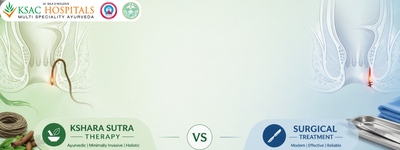
April 2026
Kshara Sutra vs Surgery Why This Technique is the Clinical Standard for Fistula and Piles
Kshara Sutra is a well-established para-surgical Ayurvedic technique for trea...
July 2026
Difference Between Piles and Fistula: Clinical Distinction and Ayurvedic Treatment Paths
What are piles, what is a fistula, how they form differently inside the body ...
KSAC Hospitals
6-3-252/1/3, Banjara Hills Main Road, adjacent Taj Deccan, Irram Manzil Colony, Banjara Hills, Hyderabad, Telangana 500034
Phone: +91 98661 30743 · WhatsApp: +91 81062 45454 · Email: info@ksachospitals.com
Medically reviewed by Dr. Ansy D'Souza (MBBS, DFM). Last updated: September 2026.
This page is for general information and is not a substitute for a personal medical consultation. Individual results vary.